Our School
The Ivy Difference
At The Ivy School, the Reggio Emilia approach is more than a philosophy—it’s a way of being with children. In a fast-paced world, we slow down to truly listen, honoring children as capable, curious, and full of ideas.
You’ll see the difference in the confidence of a child whose voice is valued, in friendships formed through collaboration, and in the joy of natural discovery. We’re not just preparing children for kindergarten—we’re nurturing thoughtful, creative humans with a lifelong love of learning.
Our Approach
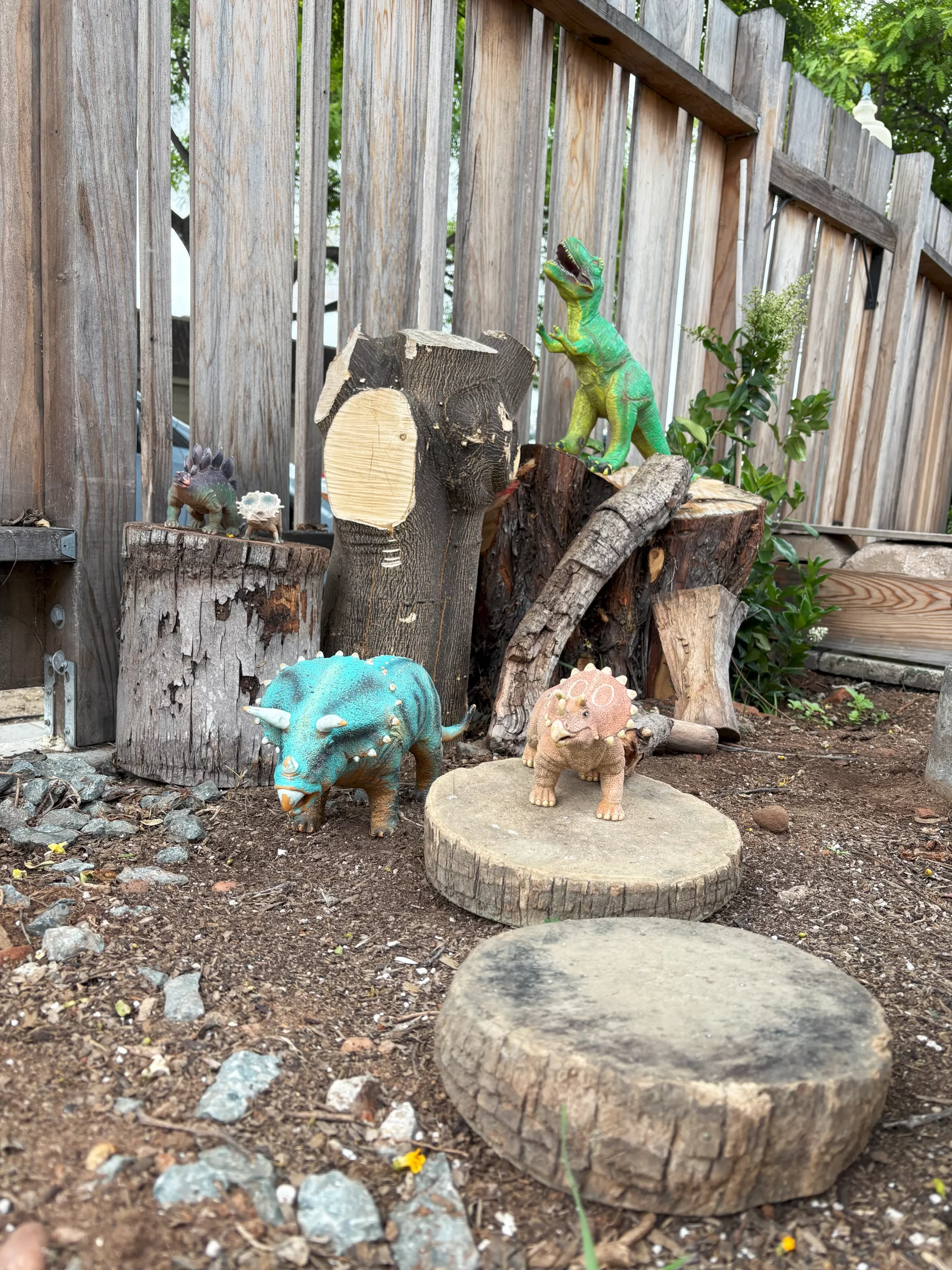
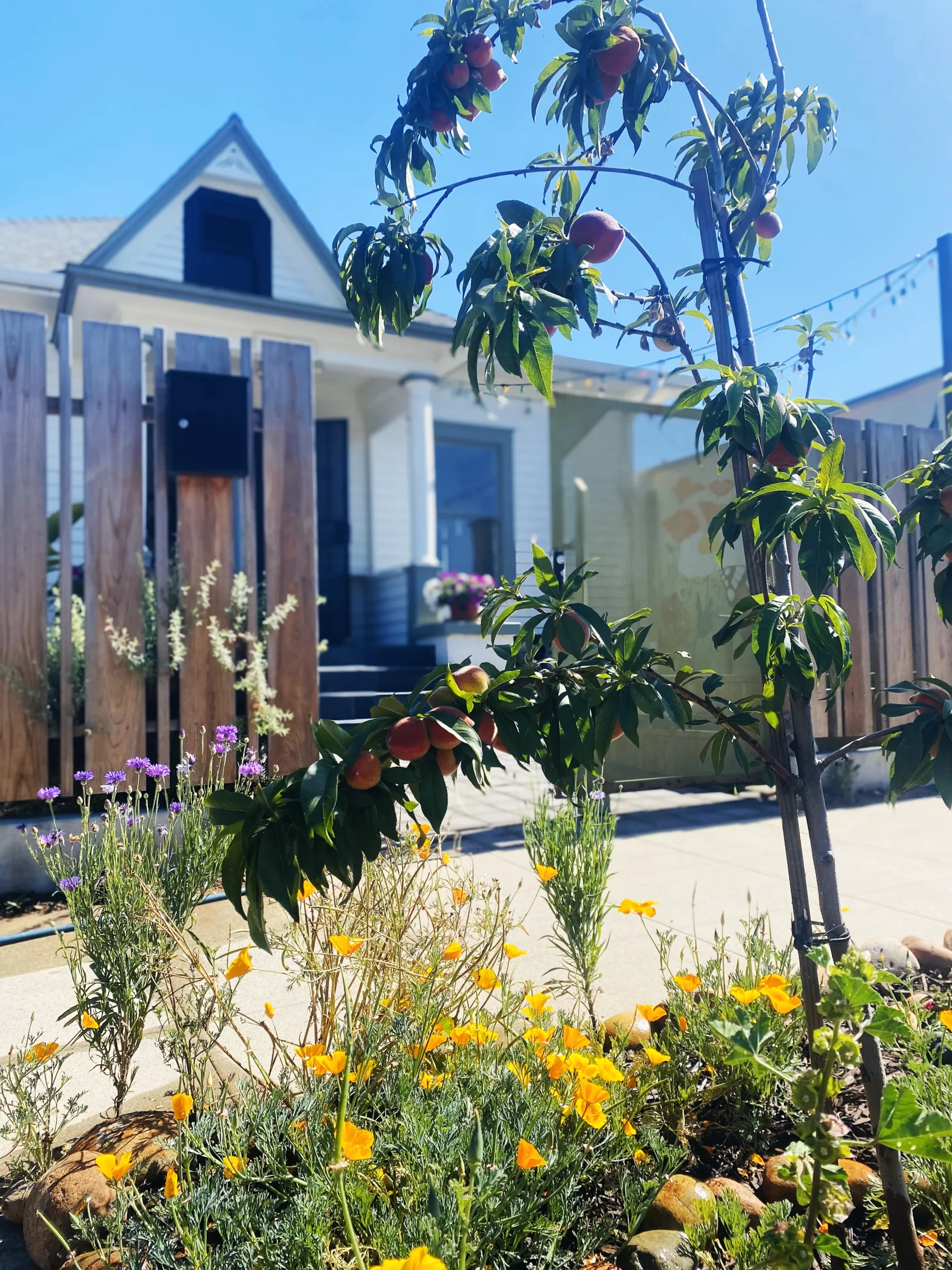
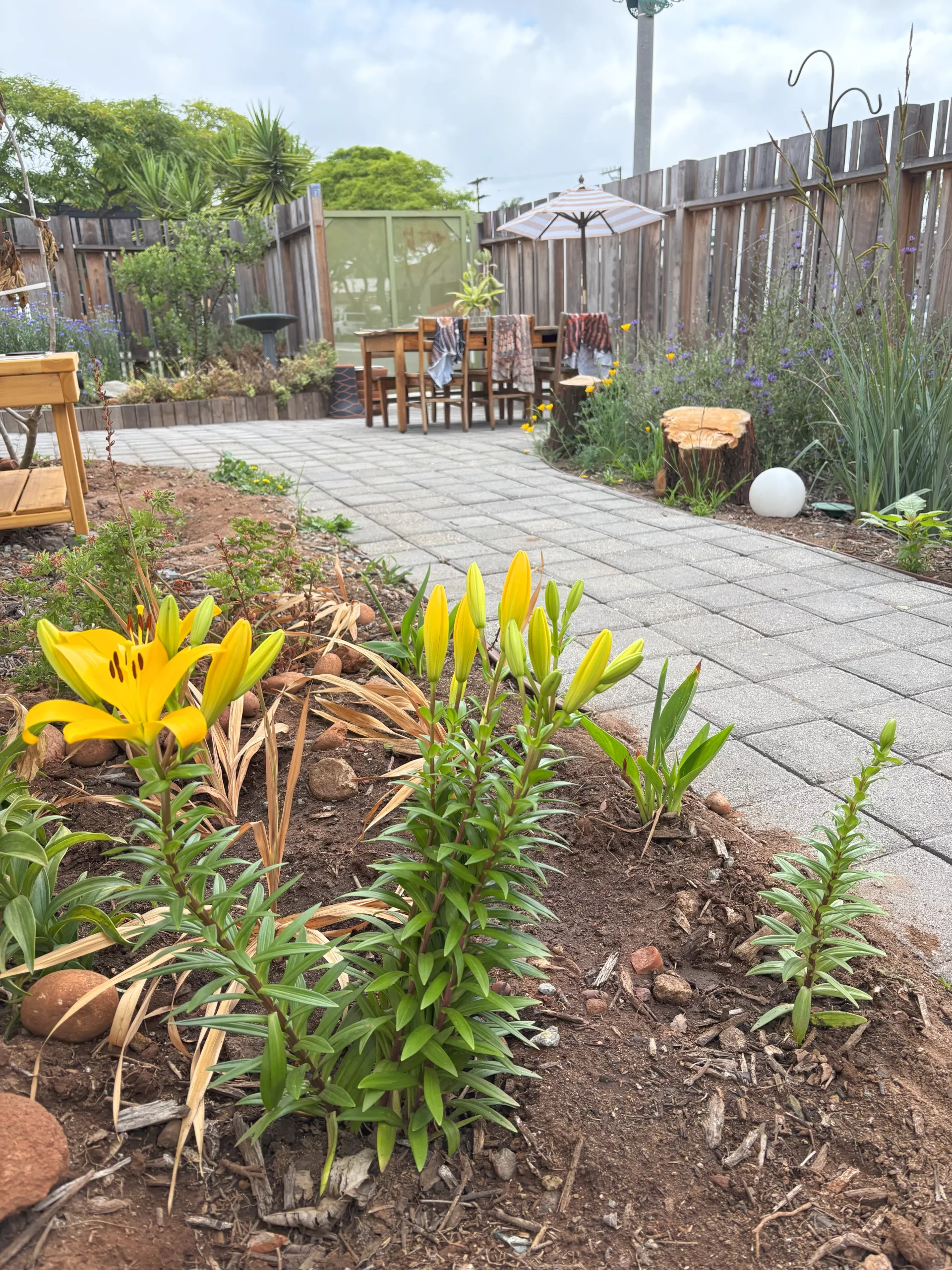
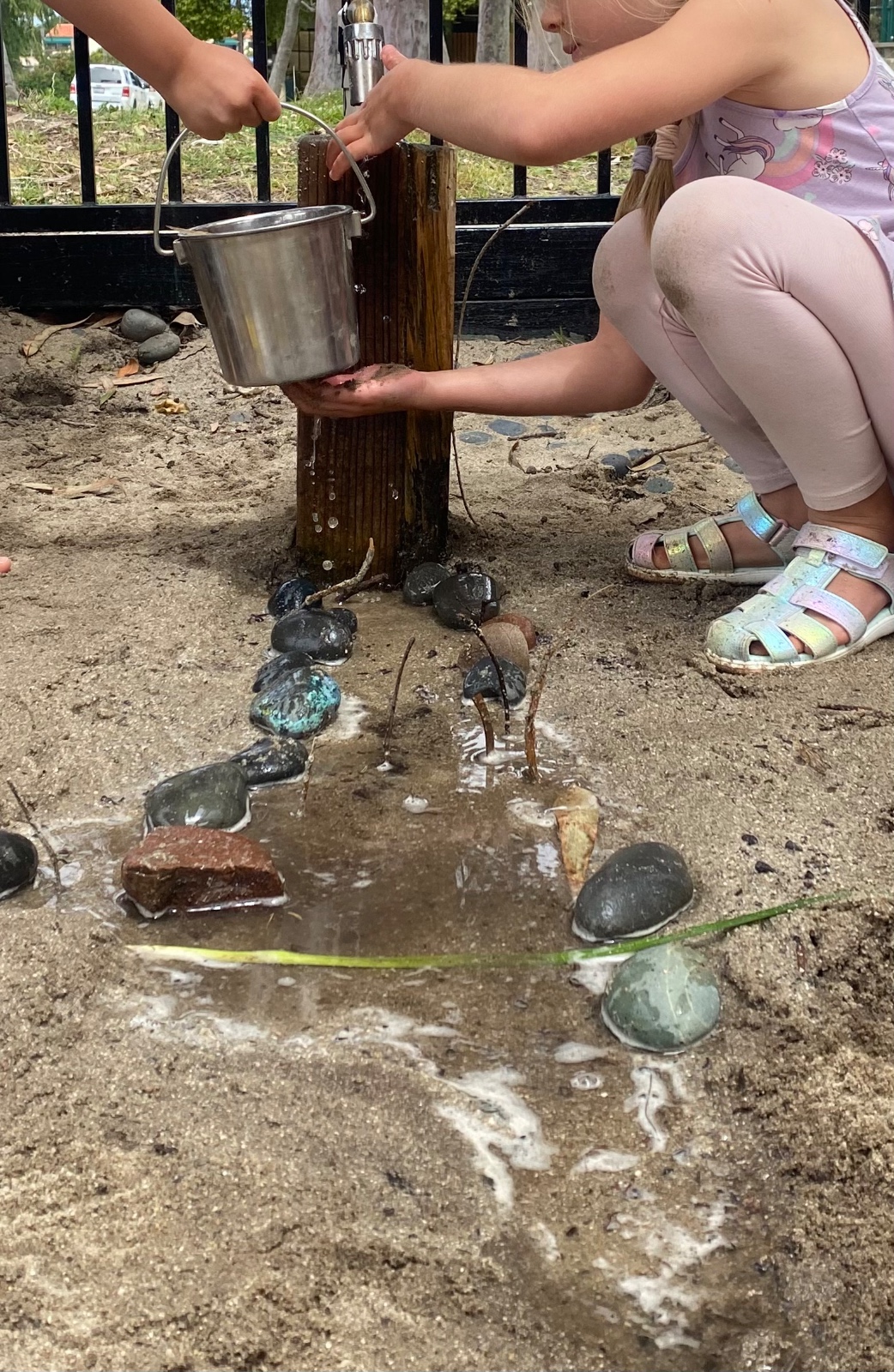
Learning emerges through play, exploration, and meaningful relationships—both indoors and outdoors. Our classrooms extend into nature, offering daily opportunities for children to connect with the rhythms of weather, growth, and seasons. Through child-led discovery, children build confidence, compassion, and a strong sense of community.
Why Families Choose The Ivy School
Reggio Emilia-inspired, child-centered learning
5:1 student–teacher ratio
Nature-based exploration and outdoor classrooms
Flexible full-day and half-day options
A warm, respectful, and collaborative community
Our Programs
Buds and Blossoms
(Ages 2-3)
A nurturing environment designed specifically for our youngest learners to explore, discover, and grow at their own pace

Vines
(Ages 4-5/Pre-K)
A comprehensive pre-kindergarten experience focused on kindergarten readiness through play-based learning and developmentally appropriate activities.

Both Groups will interact together during the day during free play and welcoming and closing meetings.
When children of different ages learn together, they naturally develop empathy through daily exposure to peers at various developmental stages. Older children learn to understand and accommodate the needs of younger ones, while younger children observe and aspire to more mature behaviors. This constant interaction builds emotional intelligence and social awareness that extends far beyond the classroom.
Mixed-age groupings in early childhood education offer significant developmental advantages by creating a natural learning environment that closely mirrors real world social structures.
We’ll also provide dedicated time for older children to work separately in small groups (during the day) on extended projects that develop the complex, developmentally appropriate skills essential for pre-K learners. These focused sessions allow children to engage in sustained, challenging work that matches their cognitive abilities and prepares them for kindergarten success.
Curriculum
At The Ivy School, our curriculum emerges from the children themselves—their questions, ideas, and natural curiosity. We don’t follow a rigid set of lessons. Instead, we build meaningful learning experiences around each child’s unique interests and ways of thinking, shaping an environment where both individual growth and community connection thrive.
✦ Play-based learning grounded in Reggio Emilia principles
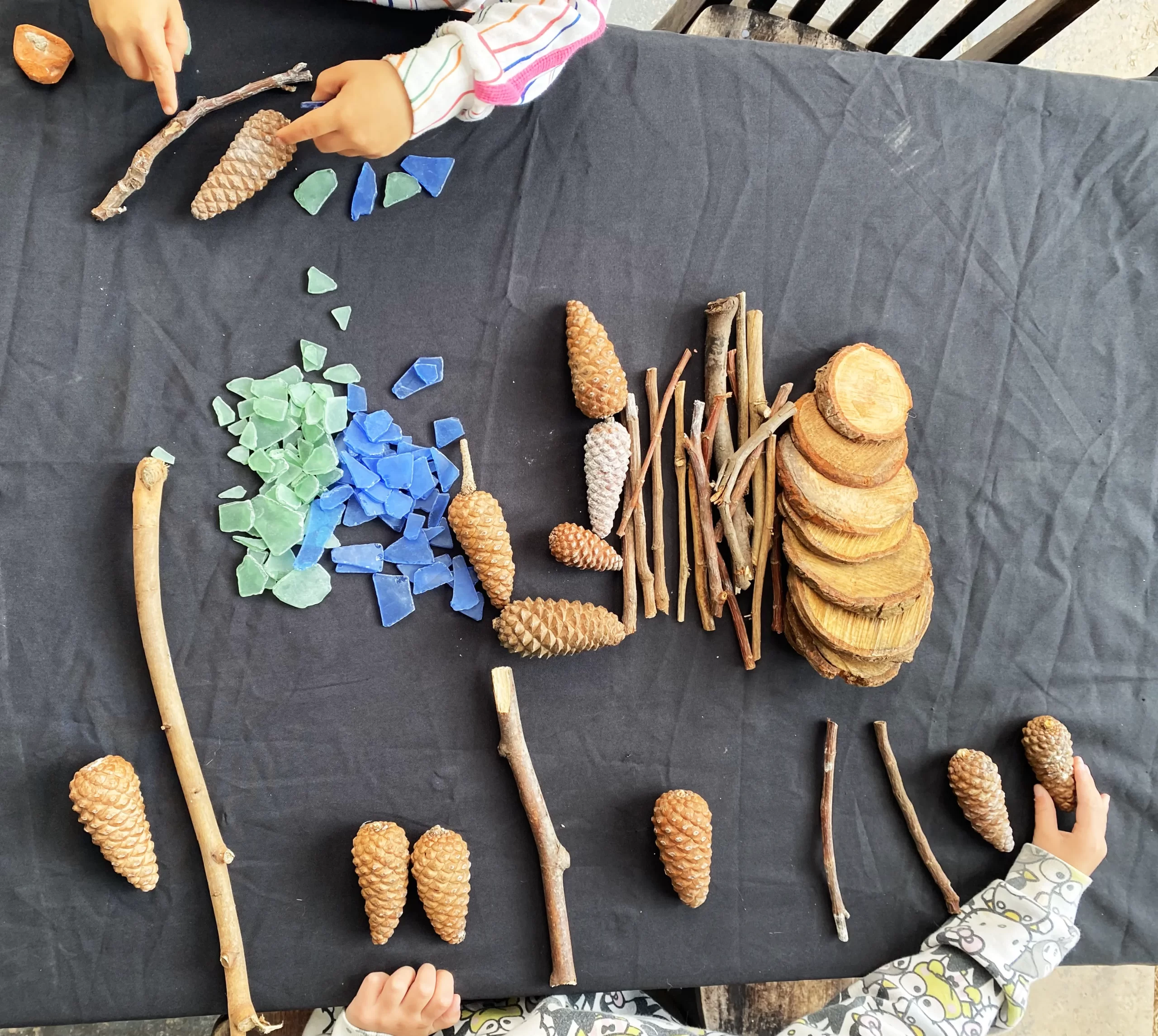
✦ Nature-based exploration and outdoor discovery
✦ Foundational literacy and numeracy
✦ Social-emotional development
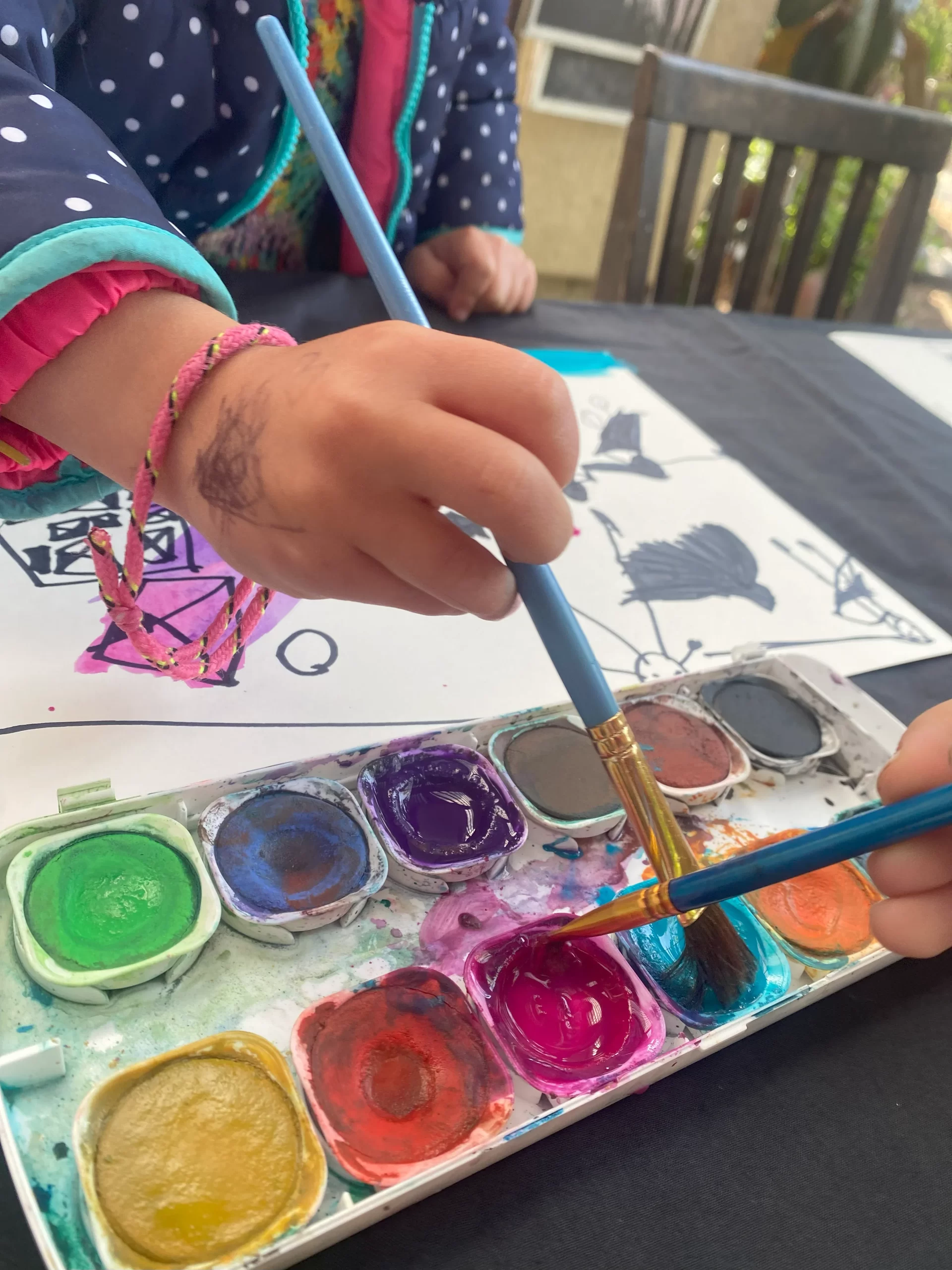
✦ Creative expression through art, and music
All of our practices are developmentally appropriate, honoring where each child is in their journey.
Our Daily Rhythm at The Ivy School
At the heart of our daily structure lies a deep respect for children as capable, curious researchers of their world. We intentionally provide long, uninterrupted blocks of time because we believe meaningful learning takes time—time to investigate, revisit, and build upon discoveries.
Our schedule isn’t about keeping kids busy—it’s about creating space for their ideas to flourish.
Flow of the Day
Arrival and Check-In
As children arrive at school, we begin the day with a gentle check-in and an invitation to “sign in.” This activity varies based on the child’s developmental stage. It may involve practicing their name, last name, phone number, address, or writing words connected to current projects or discussions.
Sometimes we incorporate early math concepts like patterns, counting, or classification.
These invitations are always developmentally appropriate and offered in a stress-free environment, where exploration is encouraged and corrections are minimal.
Free Play (Indoor/Outdoor Flow)
Children move freely between indoor and outdoor environments, choosing how and where to play.
Teachers set up intentional invitations to explore, while our outdoor space naturally offers rich, ever-changing opportunities for discovery.
Morning Greeeting
We start with a warm hello song and group gathering. After signing in, and free play we may read a story—just for fun or connected to a current project. This is also a time to revisit earlier conversations, questions, or ideas that arose during play or project work.
Open Snack Time
Preschoolers enjoy open snack during this time. Toddlers have a snack at 10:30AM
Children eat in small groups when they feel hungry and are encouraged to have a few bites to stay energized throughout the day.
Indoor / Outdoor Exploration
Children break into small groups to explore ideas connected to shared interests. Teachers act as guides, encouraging experimentation and discussion rather than providing answers. Most learning happens through trial and error, collaboration, and problem-solving.
Children engage in project work at their own pace depending on interest and readiness.
Lunch Time
Children enjoy lunch together, family-style. Each child brings their own meal, and we create a calm, social mealtime environment.
Rest / Nap / Quiet Time
Quiet time for rest, reading, or gentle solo activities. We provide different cozy spaces so each child can choose how they reset—whether that’s lying down, looking at books, or simply relaxing.
Naps are encouraged but not required.
Half Day Dismissal
Afternoon Exploration
This time allows children to revisit earlier explorations or enjoy open-ended play in a relaxed atmosphere. We explore ideas connected to shared interests. Most learning happens through trial and error, collaboration, and problem-solving. We gather again to reflect on the day’s work and revisit ideas or questions from ongoing projects. This time helps children process and share their learning
Children engage in project work at their own pace depending on interest and readiness.
Snack & Play Exploration
Preschoolers and toddlers enjoy open snack during this time. Children eat in small groups when they feel hungry and are encouraged to have a few bites. Children continue self-directed play, both indoors and outdoors, following their own interests and energy.
Closing Meeting & Departure
We get together one last time to share the highlights of the day.
Children may tell stories, reflect on their favorite moments, read a book together, and sing goodbye.
Our Philosophy in Action
Why Long Blocks of Time Matter
Children are not just learning facts—they’re forming ideas, testing theories, and engaging in real research. A short activity doesn’t allow for that depth. During our extended exploration times, we regularly see children:
- Returning to yesterday’s questions with new ideas
- Engaging in deep, collaborative problem-solving
Developing stamina, persistence, and focus - Making connections across areas like science, storytelling, and art
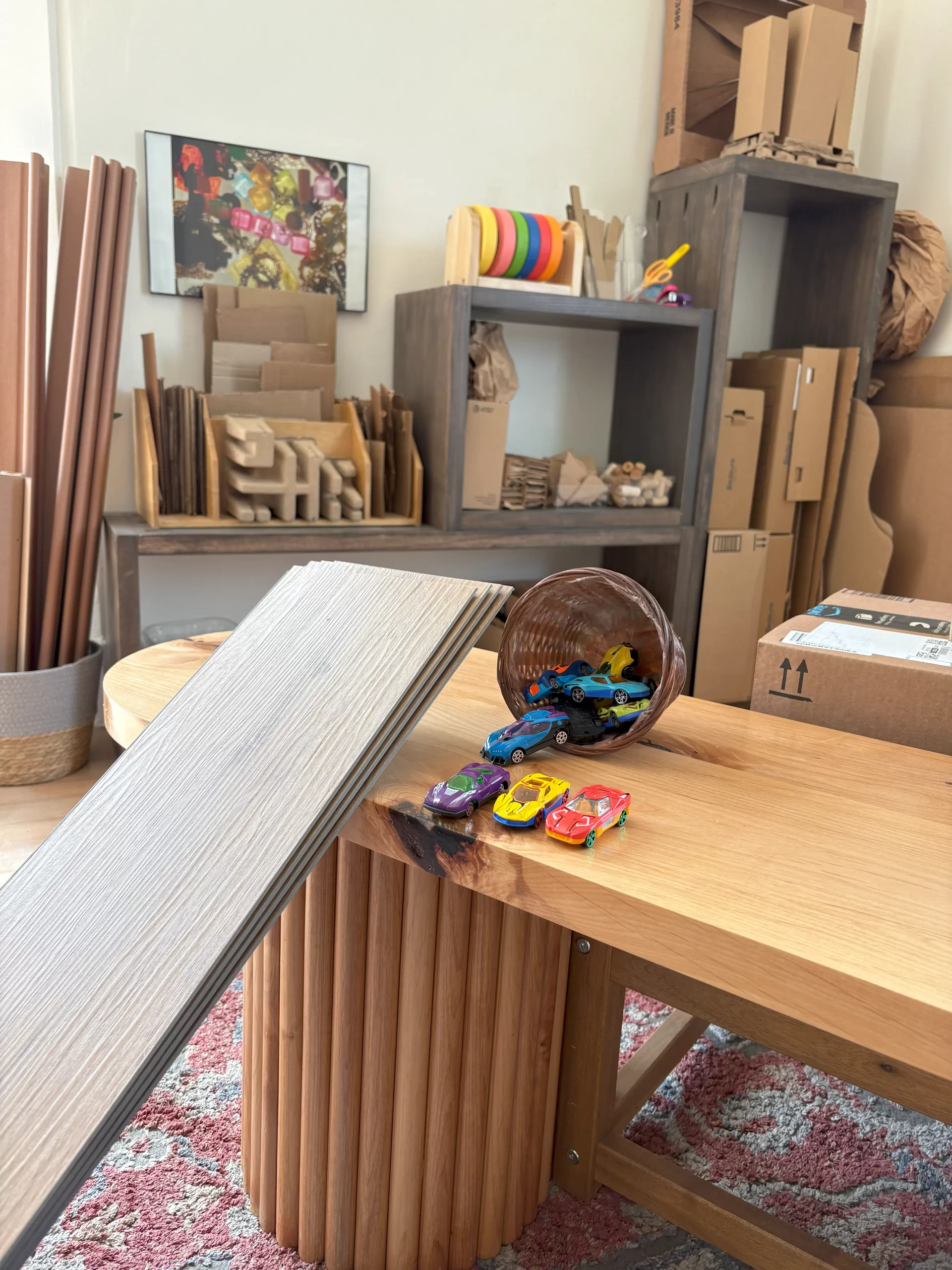
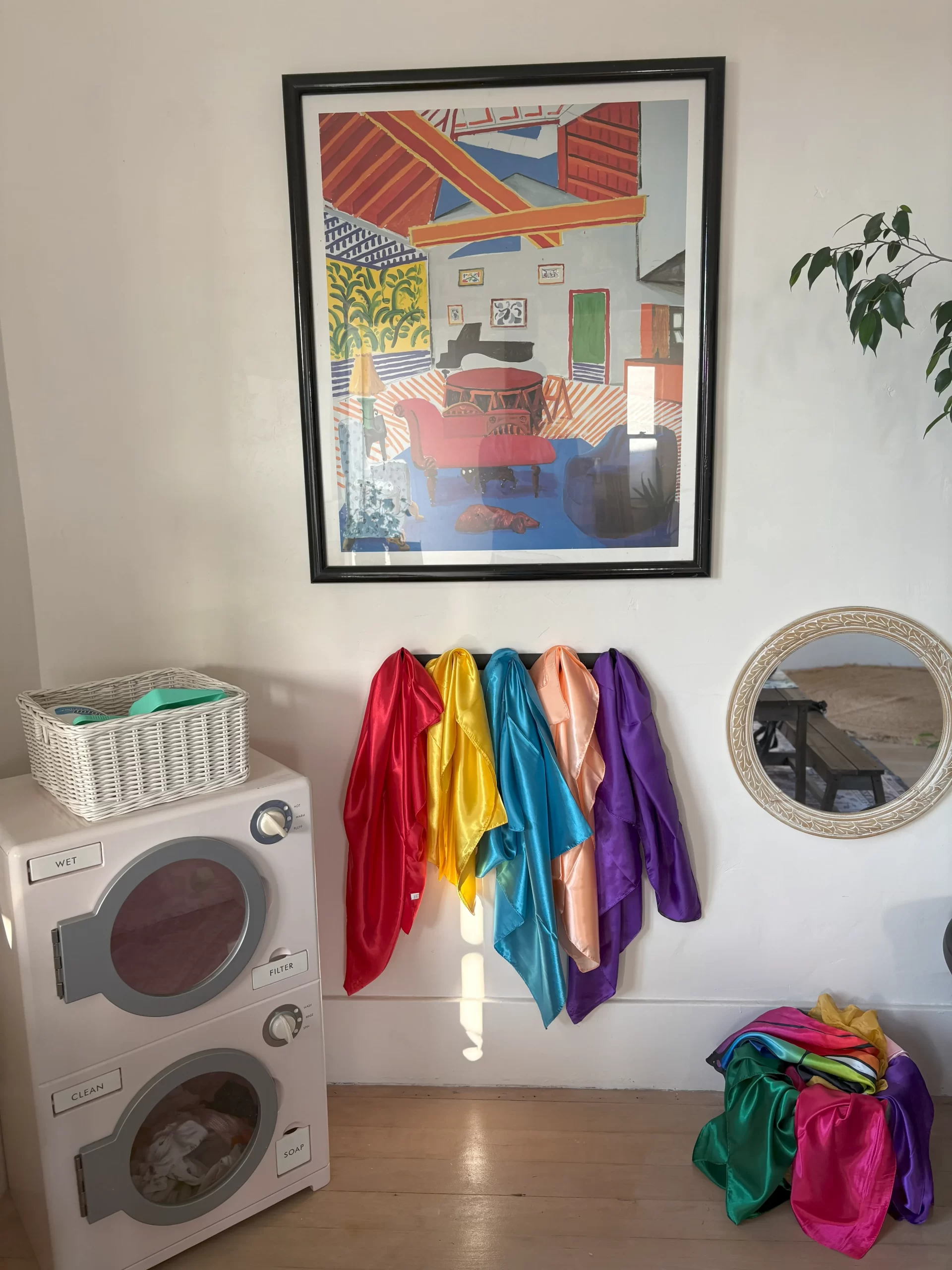
The Environment as Third Teacher
Our indoor/outdoor flow honors the fact that learning happens everywhere. Children move freely between spaces as their investigations lead them—choosing the materials, perspectives, and environments that best support their work.
Listening as a Foundation
This schedule was shaped by listening closely to children—observing when they’re most engaged, when they need movement, and when they’re ready for quiet reflection. We follow their rhythms, not the clock.